
 Download App
 Join
Join Support













Effective Sensory Dog Training Techniques for Blind and Deaf Dogs
Sensory dog training focuses on teaching blind and deaf dogs to understand commands using their remaining senses. When most people think of dog training, they usually picture a bright-eyed puppy responding to verbal commands and hand gestures. However, what happens if a dog cannot see or hear? At first, this might seem like a serious challenge, but it does not mean training is impossible. In fact, blind and deaf dogs can learn effectively with patience, creativity, and a few adaptations to traditional methods.
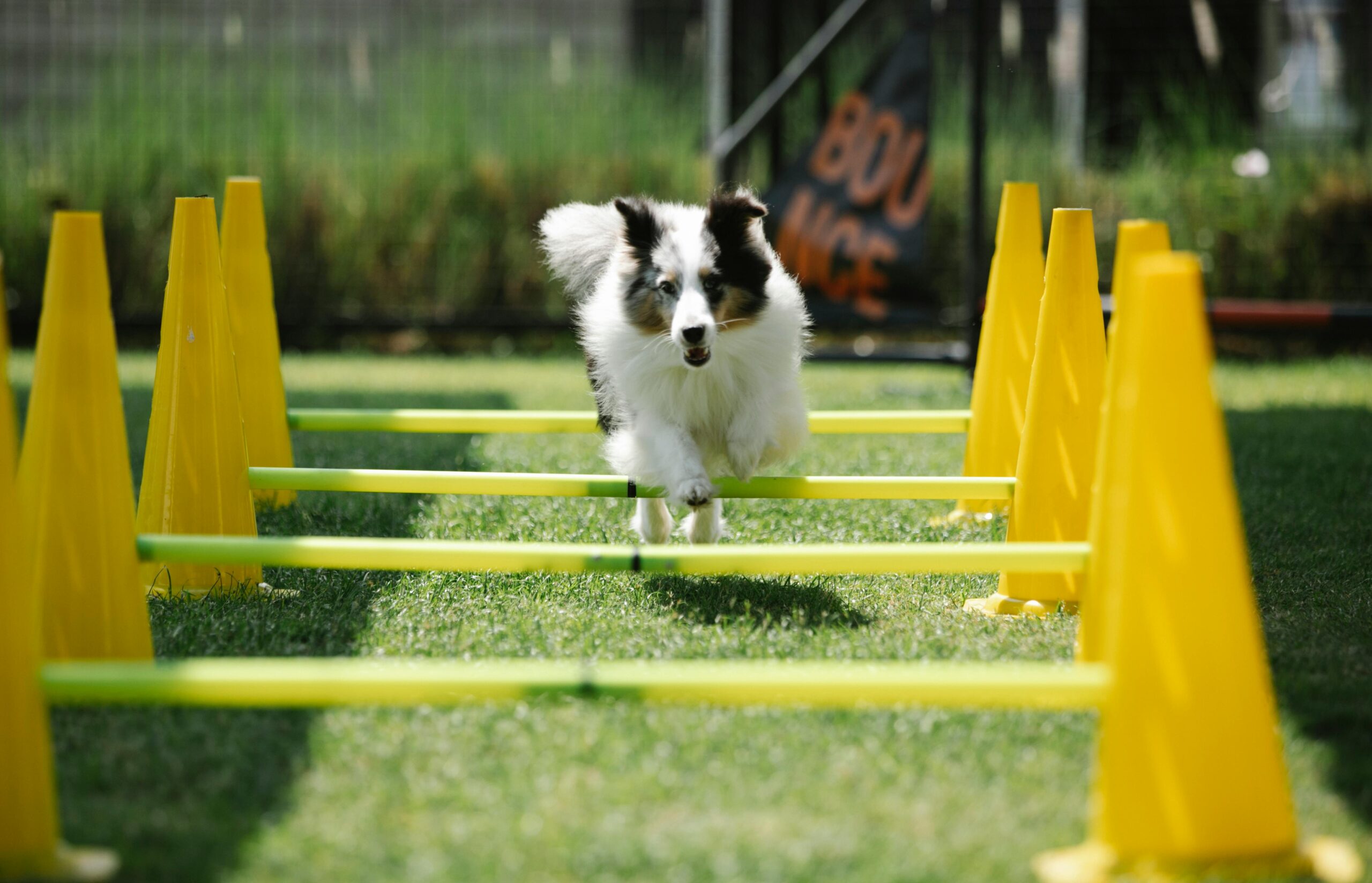
Dogs are extremely smart creatures and versatile. Humans rely heavily on sight and sound. Dogs, however, perceive the world mainly through smell, touch, and vibration. By understanding how dogs sense their surroundings, trainers and pet owners can create methods that help even sensory-impaired dogs learn commands. This enables them to live full and happy lives.
Understanding the Challenges
Blind dogs are very dependent on their smell, touch, and hearing. When a dog cannot see, it may feel confused or nervous at first, especially in new surroundings. Likewise, a deaf dog will have a problem with verbal communication, and it may not react to the normal forms of training. The two are special needs that need special approaches that will place greater focus on the other dog.
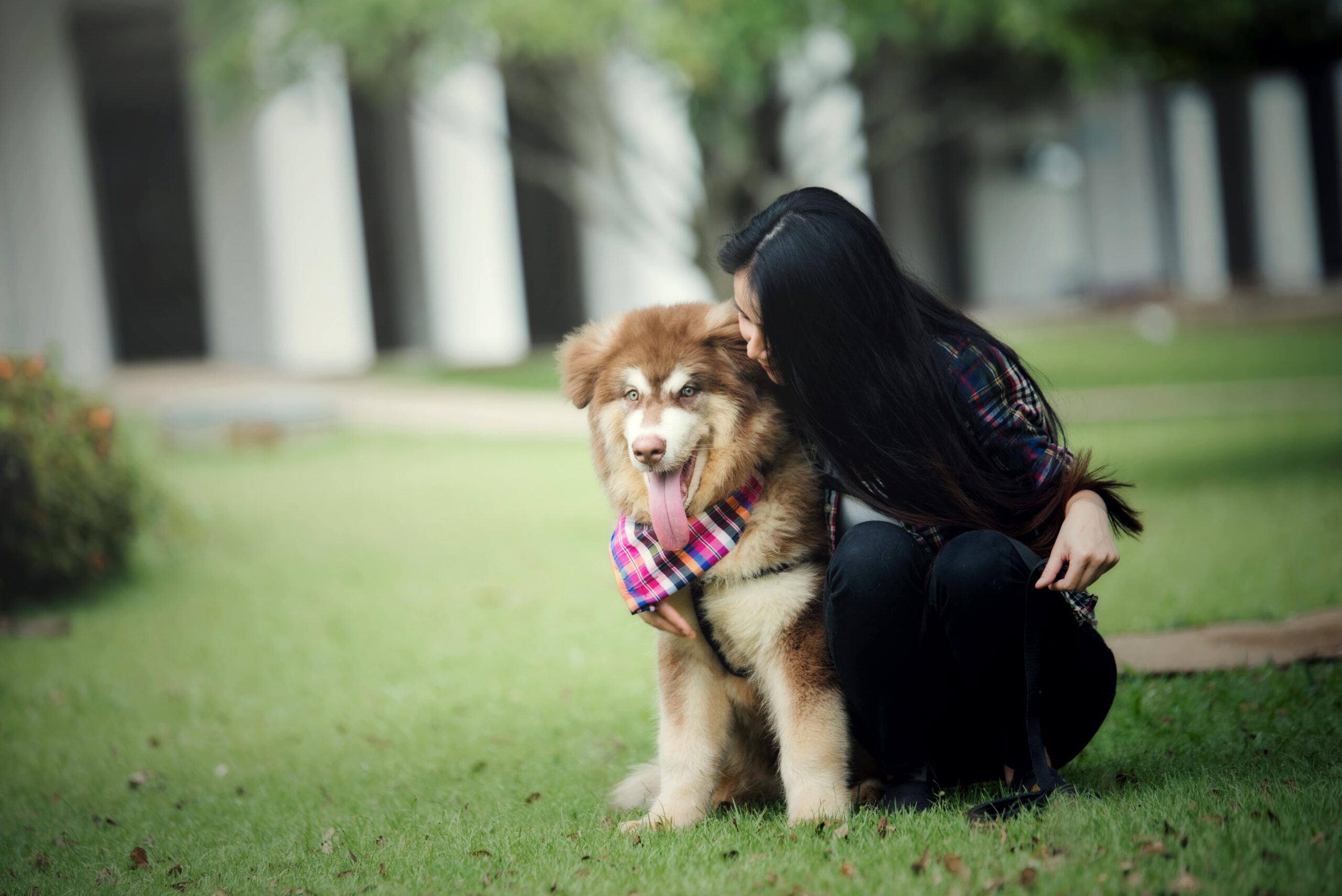
The popular myth is that blind or deaf dogs are more difficult to train. On the contrary, such dogs often develop heightened sensitivity in their other senses, which trainers can use during training. An example of this is the fact that a blind dog can be highly sensitive to touch, and a deaf dog could be highly sensitive to hand gestures and postures.
Training Techniques for Blind Dogs
The methods of training a blind dog include establishing a safe and interactive environment and making use of blind cues. Here are some practical tips:
- Verbal Cues in Sensory Dog Training: In the case of dogs that perceive hearing but cannot see, verbal commands are also very effective. Talk distinctly and continuously. Combine instructions with touch signals like a light tap or rubbing your hand.
- Scent Markers: Blind dogs move by smell. Put scented markers or something that is known to your dog at important areas around the house to enable the dog to orient itself.
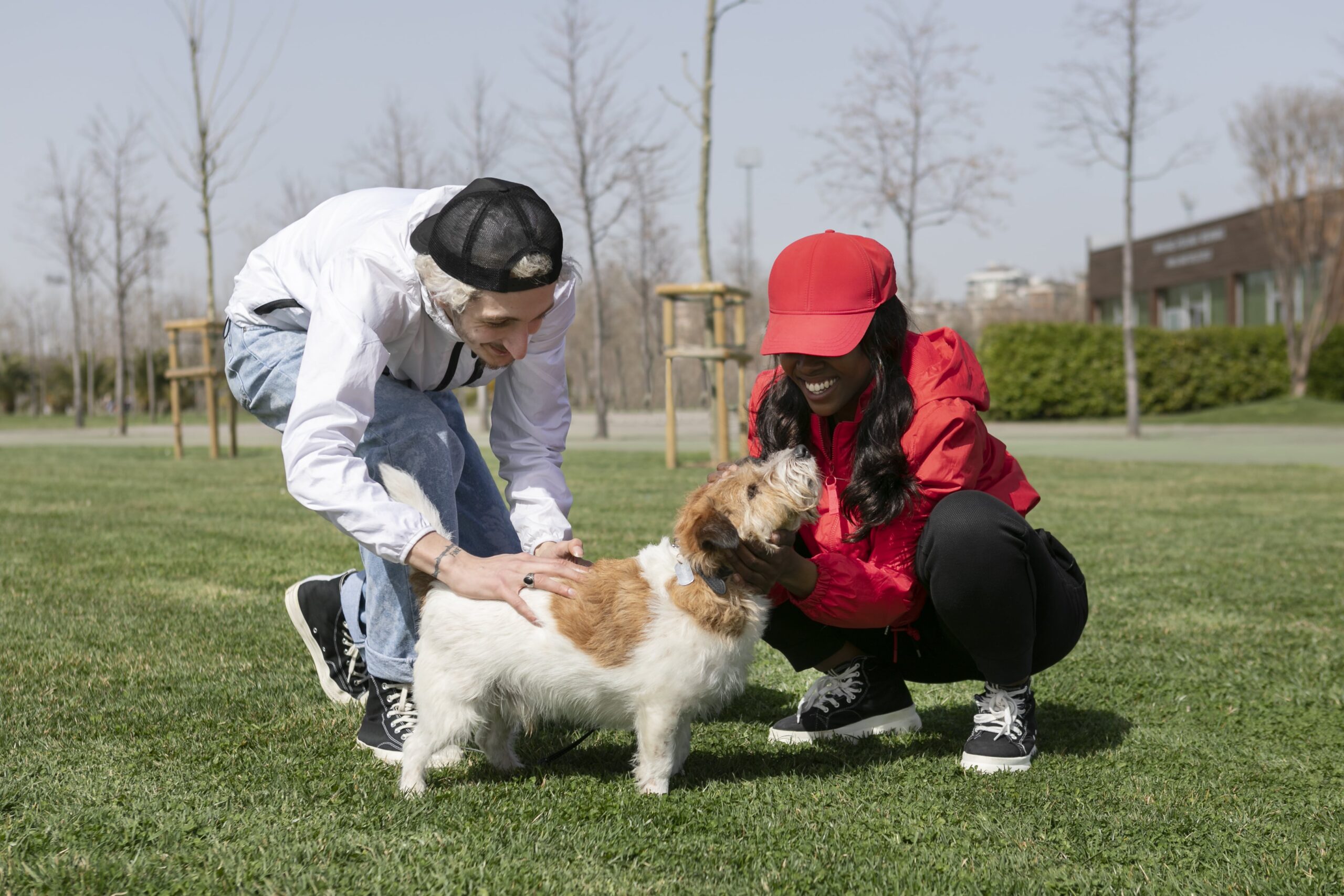
- Stable Environment: Do not change the furniture regularly. A regular set-up will mitigate the stress and make the dog familiar with the environment.
- Positive Reinforcement: Reward training is amazing. Learning is fun as treats, soft praise, and petting support the behaviors that are desired.
- Guided Walks: Walk the dog on a short leash, and make sure that the dog can explore. The dog is assisted in navigating through verbal reassurance and regular gestures of touch.
Training Techniques for Deaf Dogs
Deaf dogs do not react to verbal communication but react to visual or tactile cues. This is how one should go about training a deaf dog:
- Hand Signals in Sensory Dog Training: Train your dog to react to a set of standard hand signals such as sit, stay, and come. Always use different gestures when using different commands to avoid confusion.
- Vibrating Collars: A vibrating collar is a safe, non-punitive device that trainers can use to get a dog’s attention. For example, you can apply a gentle vibration to make the dog look at you before giving a hand command.
- Flashlights or Tap Signals: It is also possible to use short bursts of light or tap the ground near the dog to get attention.
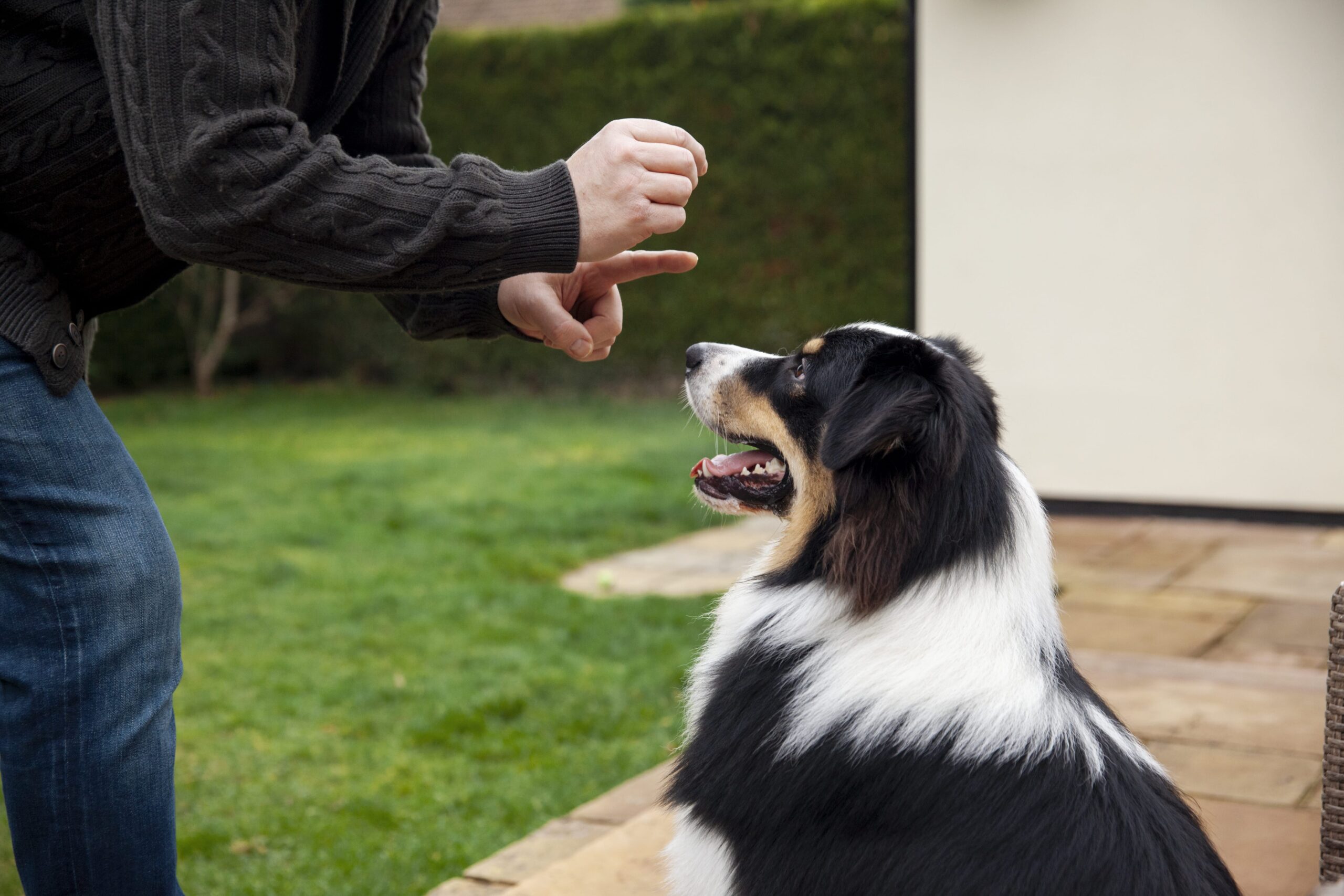
- Touch cues: Nudges or taps on the shoulder or back can be used as an instruction to certain behaviors. Be reliable so that the dog can know what every touch is.
- Positive Reinforcement: Deaf dogs, just like blind dogs, are used to treats, affection, and praise. Timely and consistent rewards are the key to communicating success.
Socialization and Safety Considerations
Blind or deaf dogs have to be socialized with special care. During the interaction with other pets, supervision is the key, and safe and enclosed areas prevent accidents. The introduction of new environments and experiences, gradually with the assistance of touch, smell, or sight, would ensure that the dog is able to feel confident without fear.
In the case of blind dogs, it is essential not to stumble over obstacles and dangerous drops. The deaf dogs, on the other hand, are not aware of the incoming traffic; thus, they need to be leashed and enclosed with a barrier of safety.
The Benefits of Training Sensory-Impaired Dogs
It is not all about the training of a blind or deaf dog based on obedience. It is emotionally and psychologically advantageous:
- Develops Confidence: Exercises and drills make the dogs feel safe.
- Bonds: Individual training approaches enhance interaction between owner and pet.
- Fosters Mental Interaction: Problems solved using touch, smell or sight will stimulate the mind of the dog.
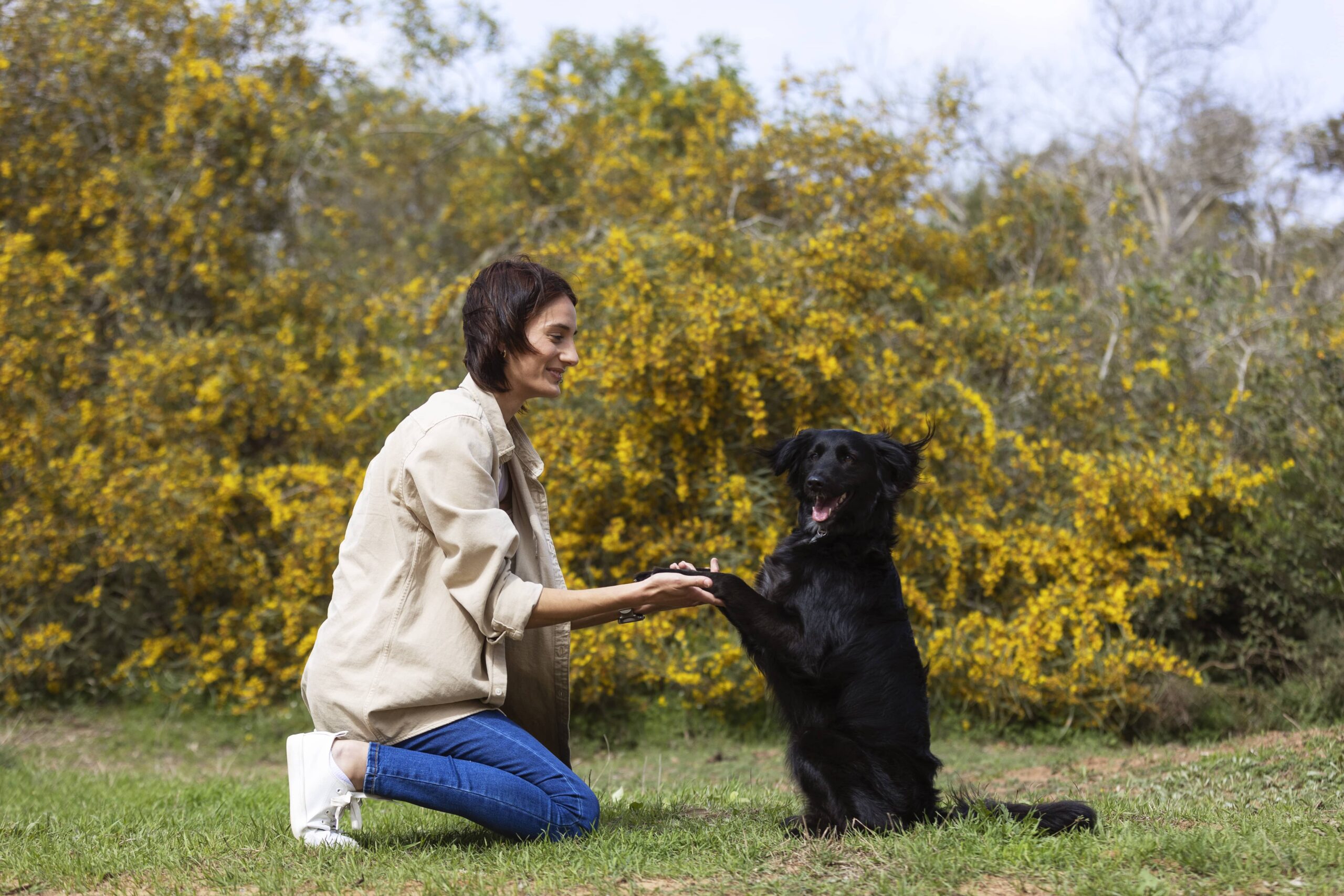
- Enhances Quality of Life: A trained dog will move safely and joyfully in the environment and will lessen anxiety and frustration.
Real-Life Success Stories
Many blind and deaf dogs have been trained successfully by their owners around the world. For example, a deaf Labrador learned over 20 hand signals on his own and could perform tricks at his master’s command. A blind Terrier navigated a busy home and yard confidently after scent markers and touch cues were introduced. These examples show the intelligence and resilience of dogs, proving that sensory impairments do not prevent successful training.
Conclusion
Patience, creativity, and constant approaches with blind and deaf dogs are the keys to being able to train them. Through positive reinforcement, which is based on developing a dog by considering the remaining senses, a pet parent can make their dog learn commands, develop confidence, and lead a complete life.
All dogs can learn and form strong bonds with humans, regardless of their sensory abilities. The ingredients are knowing, accommodation, and affection. The blind or deaf dog can equally live as any other dog with a proper approach.
You can trust Petsfolio to provide professional guidance and resources for training sensory-impaired dogs, helping them live happier and healthier lives every day.
Send us a Message
Enjoy this post?
Check out some more great articles and other content.
Life rarely stays the same. The introduction of new employment, changing of working h...
Read The Article by: petsfolio

The thought of taking your dog to a dog boarding center and not seeing him or her can...
Read The Article
by: petsfolio
You are a successful person, and you know it, until the moment your dog stares at you...
Read The Article
by: petsfolio
Download the Petsfolio App
Simplify your pet care services by booking and tracking them for free.