
 Download App
 Join
Join Support










Why Some Dogs Resist Nail Trimming Despite Regular Grooming?
Dog nail trimming is the most anxiety-provoking job for most pet owners during grooming. Even the dogs that do not rebel when being bathed, brushed, and their ears clipped might suddenly rebel when nail clippers come into sight. Common reactions include pulling paws away, whining, freezing, or even snapping. This tendency is mistakenly interpreted in the form of stubbornness, but in the given case, it is typically the reaction to fear, discomfort, or loss of trust.
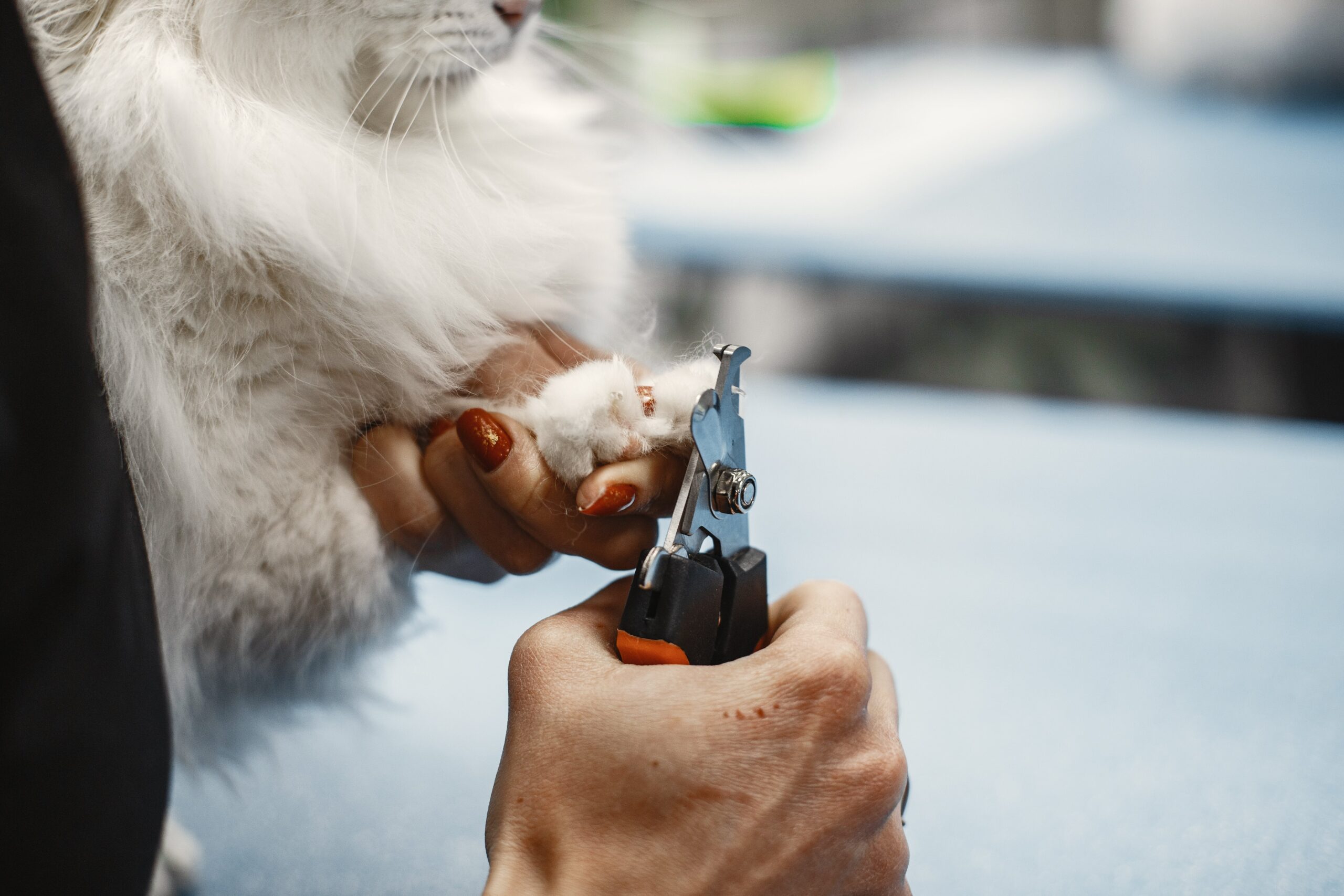
The causes of this resistance enable pet parents to approach nail trimming with patience, empathy, and more positive outcomes.
Past Negative Experiences With Nail Clipping
A past unpleasant or even frightening experience is one of the largest causes of dogs resisting dog nail trimming. It is painfully sharp and may make you bleed and cut the quick by cutting the nail too short. A single event can be a permanent impression.
Dogs possess good associative memory. They also recall the pain and associate it with nail clippers, grooming tables, or even the individual who is holding the paw. As time goes on, this memory becomes a predictor of pain, and there develops a fear reaction, even to otherwise relaxed grooming practices.
Common triggers linked to past experiences include:
- The sight or sound of nail clippers
- Being restrained too tightly
- Grooming in unfamiliar environments
- Rushed or forceful handling
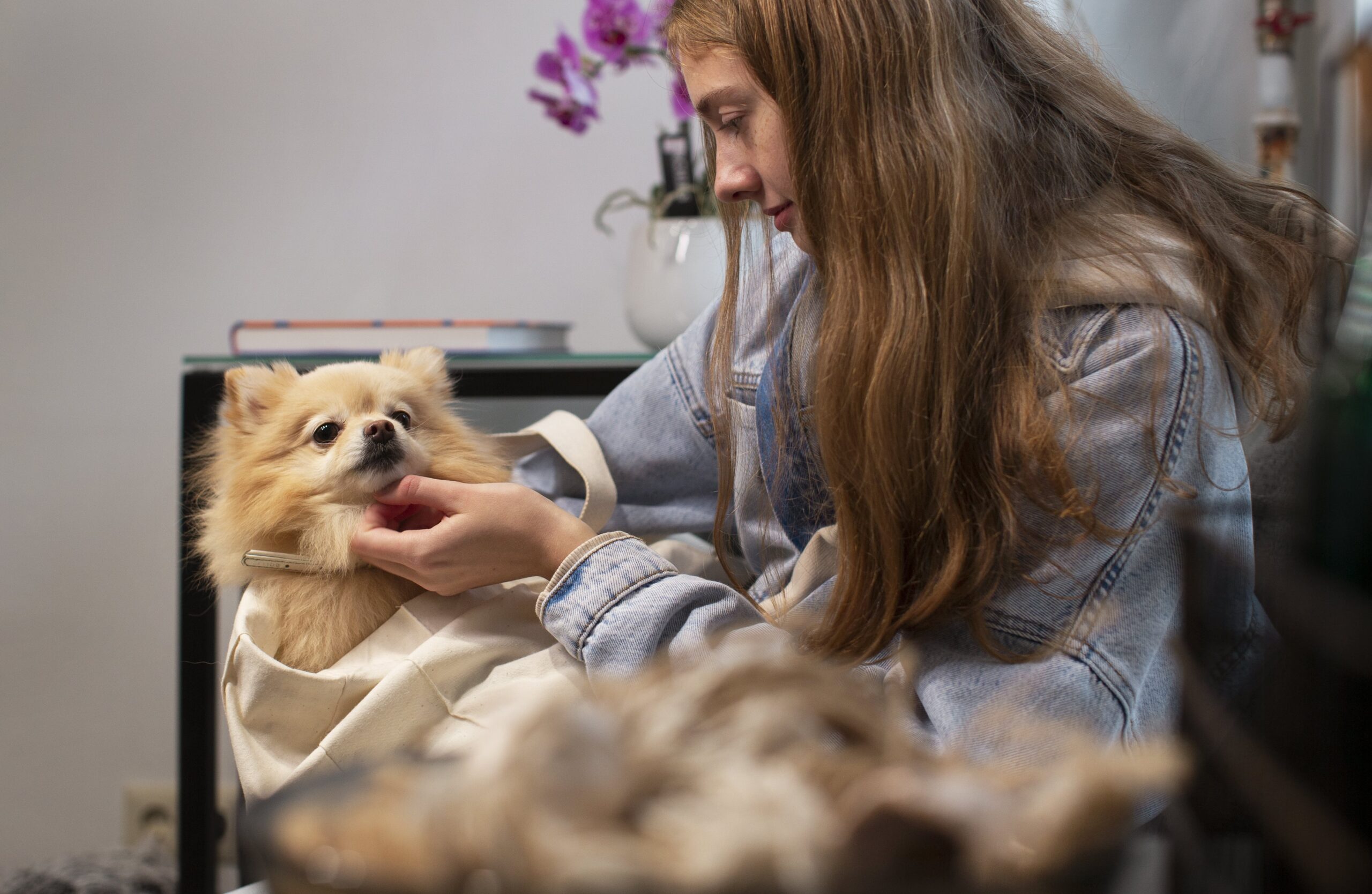
Trust can be restored only gradually, through the reintroduction, reinforcement, and complete avoidance of coercion.
Physical Sensitivity and Health Issues Affect Dog Nail Trimming
Physical discomfort is another significant cause. Paws are highly sensitive as they are full of nerve endings, joints, and connective tissues. Some dogs are more paw sensitive than others are naturally.
Health conditions can increase this sensitivity, especially:
- Arthritis or stiffness of joints.
- Nerve pain
- Old injuries
- Age-related mobility issues
In old dogs, trimming of dog nails can lead to pain, just because of the pain of being held in some positions. It may be assumed that what appears as resistance to behavior is pain avoidance.
Signs that resistance may be health-related include:
- Sudden changes in tolerance
- Limping or stiffness
- Cries when feet are touched.
- Resistance in some legs only.
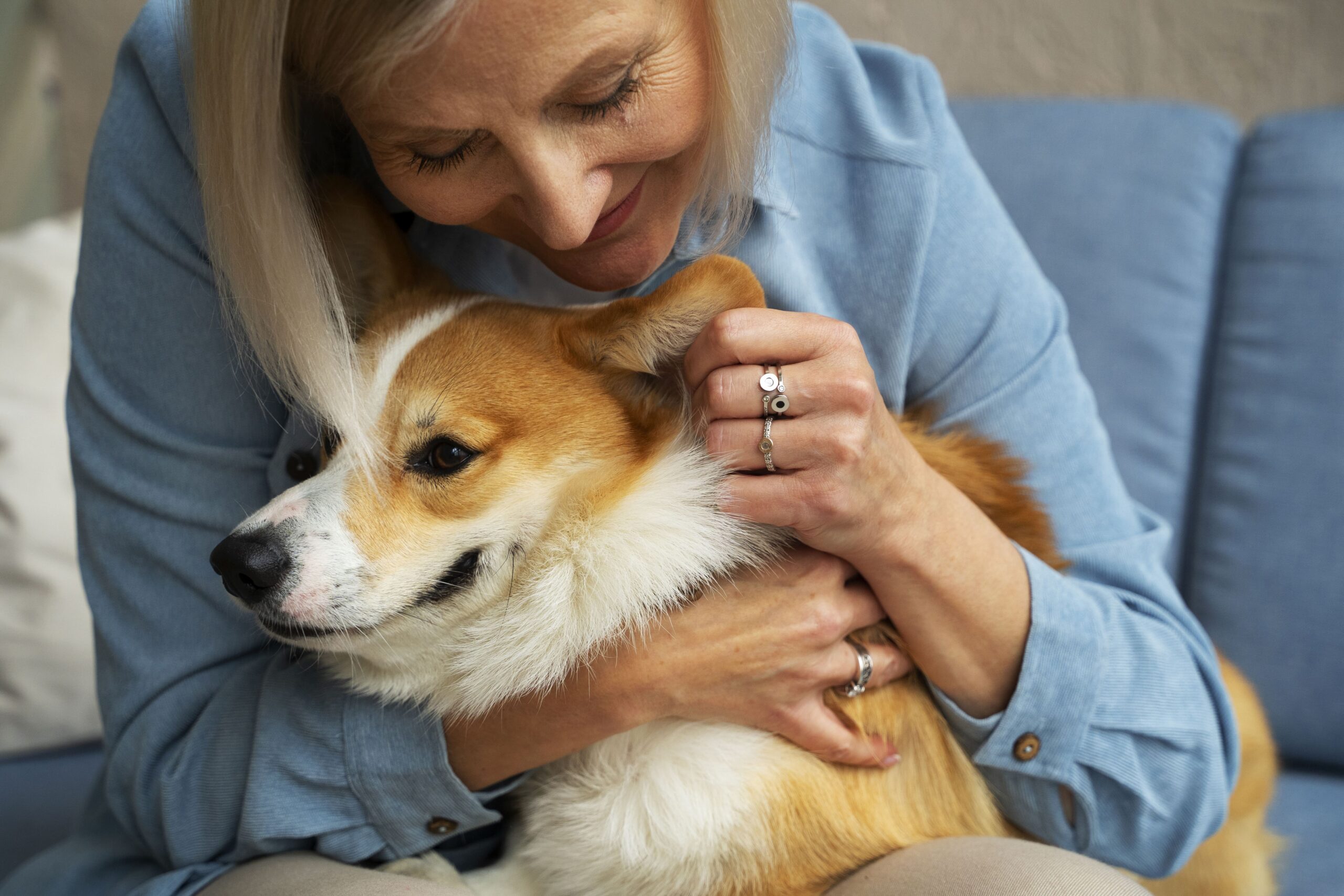
In such cases, consulting a veterinarian or professional groomer is essential.
Loss of Control and Trust During Dog Nail Trimming
Dogs are dependent on predictability and body language to feel safe. The process of trimming dog nails usually implies dog restraint, elevation of paws, and intrusion into personal space. This loss of control may cause anxiety, especially in dogs that put a premium on independence.
Human tension is also felt by dogs. When the person handling it is nervous, in a hurry, or angry, the dog reflects the same. Trust and resistance are destroyed with repeated stressful sessions in the long run.
Building trust involves:
- Allow the dog to sniff the grooming equipment.
- Shearing in a cozy, comfortable environment.
- Talking in a low and assured voice.
- Preventing the escalation of stress.
Trust-based handling can significantly reduce fear over time.
Common Signs of Nail Trimming Stress in Dogs
Dogs do not always present themselves before dominating, but they usually give some signs of stress before it can lead to a reaction. Watch for:
- Drawing off the paw again and again.
- Excessive licking of paws
- Yawning, panting, and licking of lips.
- Cold or making oneself motionless.
- Snarling or growling to give the final notice.
The identification of these signs at an early age can prevent grooming anxiety in the long run.
Simple Ways to Make Dog Nail Trimming Easier
Small adjustments can make a big difference:
- Clip one or two nails at a time rather than cutting off all the nails.
- Reward at the end of every successful clip.
- Use the handle paws carefully when it is not grooming time.
- Grinders are used in case of fear of clippers.
- Close meetings on an upbeat note.
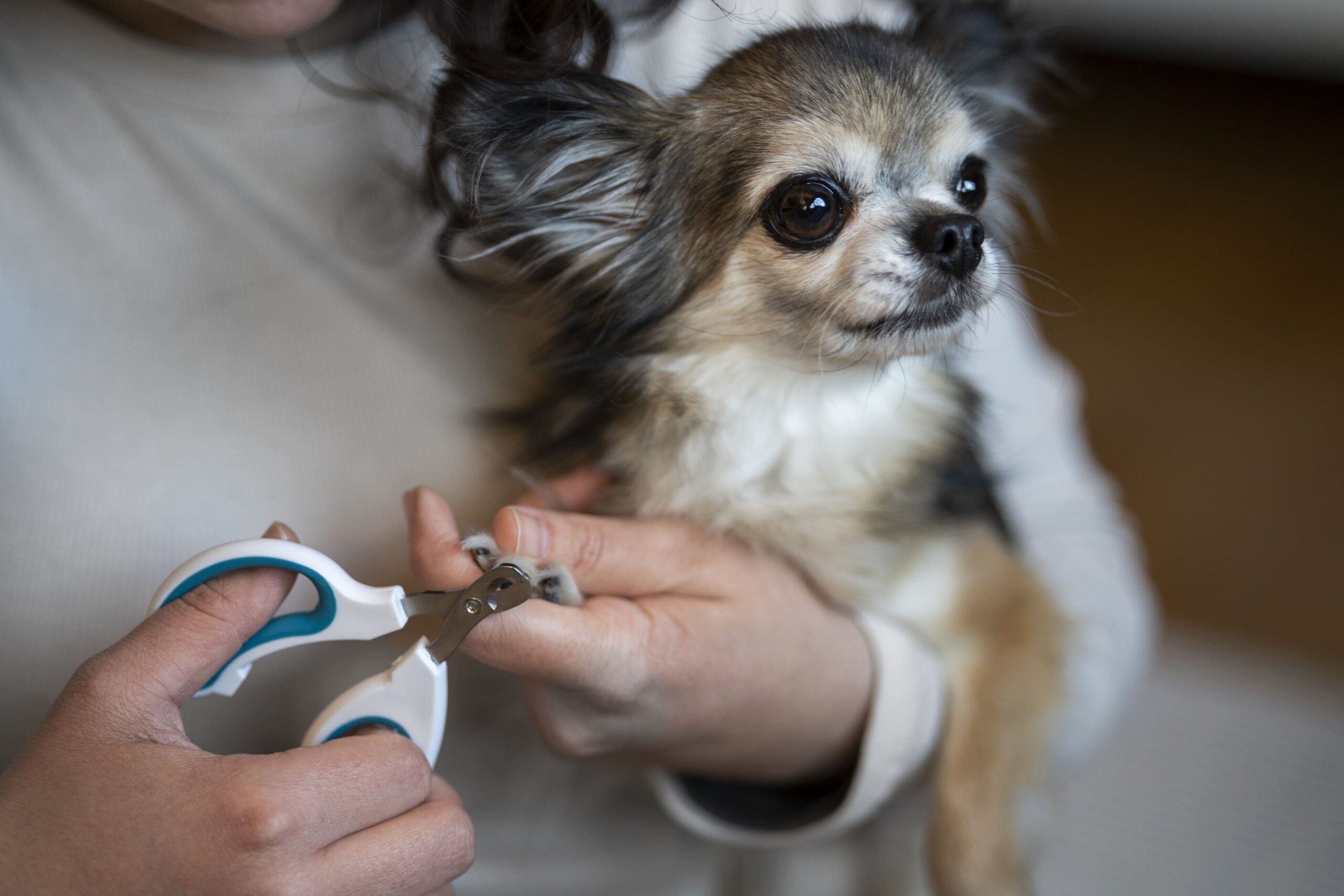
Consistency and patience are far more effective than force.
Final Thoughts and Call to Action
Nail trimming is a problem: even well-groomed dogs have some resistance. Fear, physical pain, or lack of trust, the most important thing about successful dog nail trimming is to recognize the signs of your dog and not to violate his comfort.
Petsfolio works to ensure responsible ownership of pets by empowering pet parents on how to groom their pets, solving behavioral issues, and providing ethical ways of taking care of their pets. Informed breed support and expert guidance is a promise that Petsfolio will build a safer, kinder, and more knowledgeable pet community where every single dog will have all the care, patience, and respect it merits.
Send us a Message
Enjoy this post?
Check out some more great articles and other content.
Emergency vet services play a crucial role in building trust between veterinarians an...
Read The Article by: petsfolio

Last Sunday, I visited a friend who claimed he had adopted one of the rarest dog bree...
Read The Article
by: petsfolio
Life rarely stays the same. The introduction of new employment, changing of working h...
Read The Article
by: petsfolio

Download the Petsfolio App
Simplify your pet care services by booking and tracking them for free.