
 Download App
 Join
Join Support









How Dog Communication Is Transforming Modern Dog Training
Over the decades, dog training has followed a simple command-based structure, limiting deeper dog communication between humans and pets. Sit. Stay. Come. Although effective, this approach barely explores the true potential of dog communication and emotional intelligence. With the continued development of science, technology, and behavioral insights, a captivating question arises: Could dog training become a two-way system of communication? The answer increasingly appears to be yes.

Understanding Dog Communication in Everyday Behavior
We are constantly communicating with dogs, more than we usually think. They employ a dense mix of body language, facial expressions, vocalization, and behavior patterns to represent their needs and feelings.
Dogs communicate through:
- Tail position and movement (confidence, fear, excitement)
- Ear position (vigilance, panic, interest)
- Eye contact and blinking
- Vocal stimuli include growling, whining, and barking.
- Body movements such as pawing, pushing things, or pulling.
Many traditional types of training do not pay attention to these indicators, as they pay attention to compliance. Bidirectional communication starts when human beings know how to listen and respond to those signs, as opposed to giving orders.
From Commands to Conversations in Dog Communication
The contemporary training theories lean towards relationship-based training as opposed to dominating or controlling. This change leads to the opportunity of communication and not teaching.
Key changes in modern dog training include:
- Positive and reward-based methods of reinforcement.
- Empowering the dogs and not coercing them.
- Noting the emotional conditions before the training reactions.
- Modifying the training sessions according to the feedback of the dog.
Training will become a dialogue when dogs are provided with the choice of the option to either agree or disagree. A dog, when he turns away, hesitates, or disengages, is saying something, and good trainers will act on him.
The Role of Cognitive Science and Research
Recent studies show that dogs possess impressive cognitive abilities. They can:
- Learn hundreds of words.
- Recognize human emotions
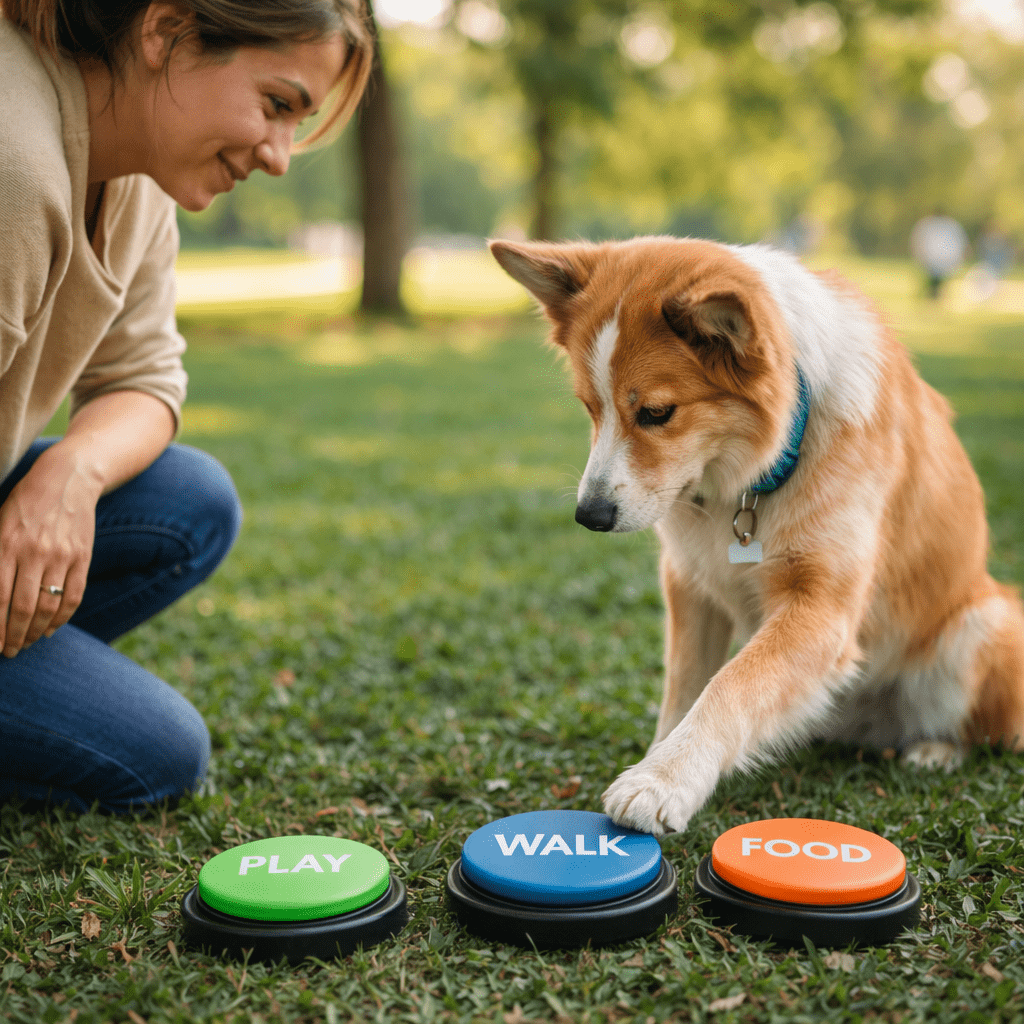
- learns symbolic means of communication (such as pressing buttons to compose words)
- Calculate routine and results.
Other dogs have been trained to work off of communication boards with buttons that are used to depict words like walk, food, play, or outside. This enables the dogs to communicate their needs, making training a two-way communication process instead of the one way command process.
Technology Advancing Two-Way Dog Communication
Technology is accelerating the move toward two-way communication. Tools such as:
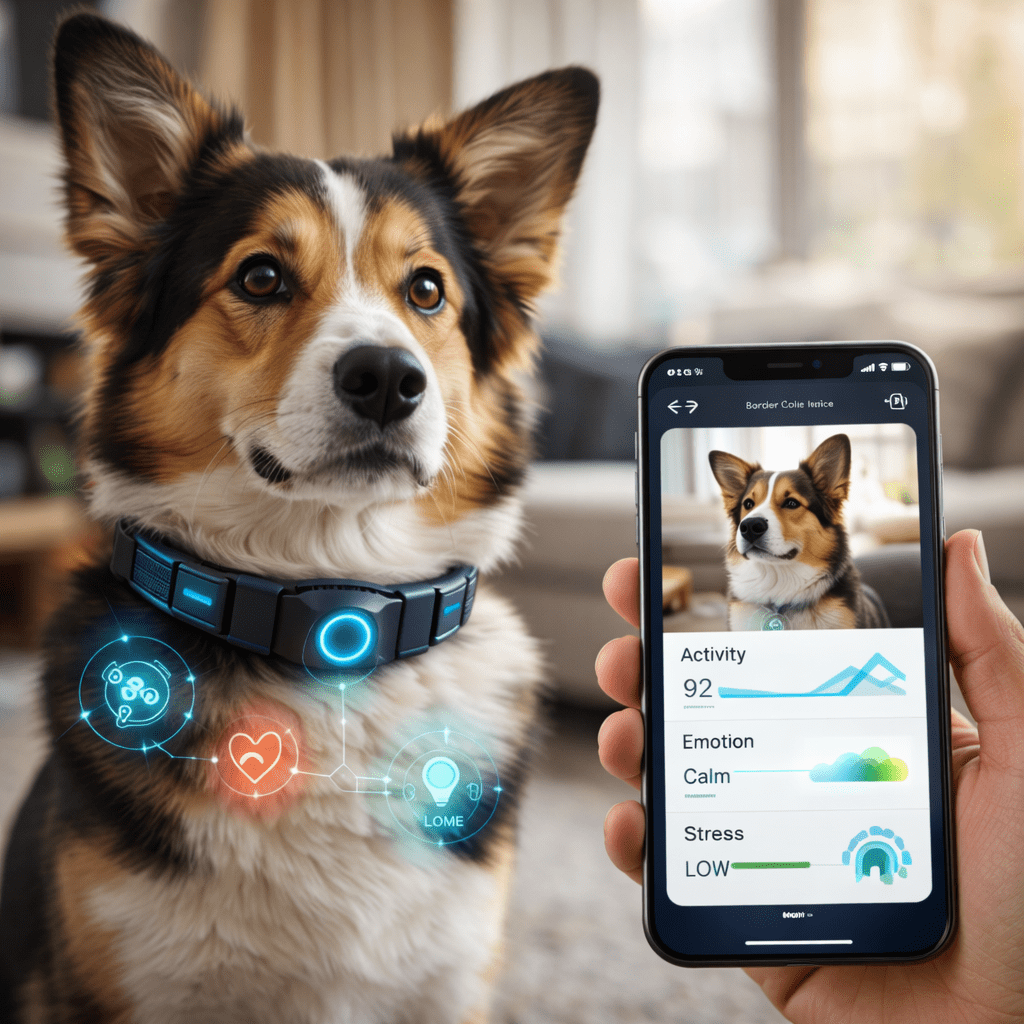
- Stress and activity monitoring smart collars.
- Artificial Intelligence behavioral analysis applications.
- Voice-button communication systems.
- Application training based on the behavior of a dog.
The innovations assist human beings in better interpreting dog behavior and reacting in real-time, which enhances knowledge and trust.
Benefits of Two-Way Communication Training
When training becomes interactive, the benefits are profound:
- Better emotional attachment of pets and owners.
- Less stress and behavioral problems.
- Increased learning rate and retention.
- Greater self-esteem and self-reliance in dogs.
- Greater ethical and human training.
Dogs are listened to, and humans understand more about the needs of their pets.
Challenges and Realistic Expectations
Despite its promise, two-way communication is not without challenges:
- The misinterpretation of signals may confuse.
- Dogs do not learn at an equal rate.
- It is important to be consistent and patient.
- The owners should be ready to unlearn the old training beliefs.
Two-way communication does not imply that dogs will start communicating in the same way as human beings, but it implies that the training process can become a system of mutual understanding.
The Future of Dog Training
With the increasing awareness, dog training is no longer based on the obedience approach, but rather it is based on partnerships. The future is in valuing dogs as intelligent and emotional creatures, in their ability to communicate, given the means and the care they are worthy of.
Ready to Build a Deeper Bond With Your Pet?
We are sure that pets are not followers, but family members at Petsfolio. Our platform will guide pet parents with knowledge and the latest training, as well as tools that will enable you to have a healthier and happier relationship with your furry friend.
👉 Visit Petsfolio and start making the first step towards getting to know your pet.
Send us a Message
Enjoy this post?
Check out some more great articles and other content.
Emergency vet services play a crucial role in building trust between veterinarians an...
Read The Article by: petsfolio

Dog nail trimming is the most anxiety-provoking job for most pet owners during groomi...
Read The Article
by: petsfolio
Last Sunday, I visited a friend who claimed he had adopted one of the rarest dog bree...
Read The Article
by: petsfolio
Download the Petsfolio App
Simplify your pet care services by booking and tracking them for free.