Download App
 Join
 Support


How New Animal Welfare Rules Could Change Pet Care
Animal welfare is getting more and more attention from pet owners, breeders, and companies in the animal care industry. Recently proposed reforms in Northern Ireland may lead to stricter regulation of dog training collars, pet boarding facilities, and microchipping. The purpose of these changes is to enhance animal safety, avoid needless suffering, and promote pet owners being responsible with their pets.
But what do these proposals mean for pet owners on a daily basis and businesses? Let’s examine what the great changes are and whether they will change how people take care of their pets.
1. Proposed Ban on Choke Collars and Electronic Shock Collars
One of the proposals is to prohibit specific training collars for dogs and cats. These can be handheld remote-controlled electronic shock collars, prong collars, and choke collars without a stop mechanism.
Animal welfare groups have been concerned about the possible effects of these devices. Can cause pain, fear, anxiety, stress, and physical harm, especially when used incorrectly, to animals.
The proposed restrictions aim to encourage pet owners and trainers to adopt safer, more positive training methods.
2. Why Are Animal Welfare Groups Supporting These Changes?
Many animal advocacy groups have praised the suggested limits. They feel that the emphasis of training should be on gaining knowledge and understanding of animal behavior instead of using means that will provoke pain or anxiety.
Some of the key concerns associated with harmful training collars include:
-
Physical injuries: A lot of pressure on the neck may cause a headache.
- Fear and uneasiness: The method of training through shocks may lead to fear in dogs.
- Behavior issues: Cruel training methods might result in the dog experiencing more fearful reactions.

- Loss of trust: Painful events may affect relations between pet owners and their pets.
Positive reinforcement, reward-based training, and professional guidance can help encourage better behaviour without unnecessary punishment.
3. How Animal Welfare Rules Could Change Doggy Daycare
The reform proposal also emphasizes the need to have regulations in place with regard to doggy daycare centers and pet boarding facilities.
Such establishments are vital when pet owners are busy with work, travel, and other engagements and cannot take care of their pets. However, not all such establishments meet the same animal care standards.
Regulating such businesses through an animal boarding licensing system will allow for clear standards in terms of safety, supervision, cleanliness, and animal well-being.
For pet owners, it will become easier to find a reliable doggy day care and pet boarding center. And such businesses may be required to acquire additional licenses to provide such services.
4. Why Is Microchipping Important for Dogs?
One other main suggestion made is for dogs to be microchipped by the age of eight weeks. In case there is a change in ownership or the dog’s handler, this would require a change in the database within 21 days.

Microchipping enables identification and recovery of lost dogs. The need to keep up-to-date with registration information is just as important as it is essential in ensuring accurate identification.
5. How Animal Welfare Reforms Affect Pet Owners?
Such examples illustrate the extent of responsibility associated with taking care of animals.
Although the proposals relate to Northern Ireland, they make a good reminder for all pet owners. Selecting proper methods of training your animal, investigating your potential boarding facilities, keeping track of vaccinations and microchips, and knowing the character of your pet are essential aspects of responsibility.
Give Your Pet the Care and Attention They Deserve!
Animal welfare begins with everyday decisions. From choosing gentle training methods to finding trustworthy pet care facilities, every responsible choice can make a difference in an animal’s life.
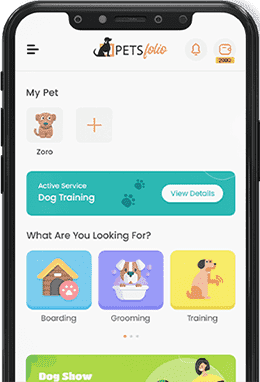
At Petsfolio, we feel that all dogs deserve understanding and positive reinforcement training. Visit our Dog Training Services to ensure that your furry friend learns good behavior and becomes a happier and healthier dog.
Send us a Message
Enjoy this post?
Check out some more great articles and other content.
Can you imagine training your dog so that he understands all your commands without yo...
Read The Article by: petsfolio
Pet parenting is more than just feeding, playing with, and giving a comfortable bed. ...
Read The Article
by: petsfolio
Is your pet fond of playing outside during the winter season? Dog Winter Care is esse...
Read The Article
by: petsfolio
Download the Petsfolio App
Simplify your pet care services by booking and tracking them for free.